Is Professional Curtain Cleaning Safe for All Fabric Types?
Curtains are major design elements in our homes, made from a wide range of materials. From heavy, luxurious velvet drapes to light, airy silk sheers and durable synthetic blends, the fabrics we choose define our interior spaces. Because curtains are a significant financial investment, it is natural for homeowners to worry about cleaning them. A common question when booking a service is: "Is professional curtain cleaning safe for all fabric types?" The answer is yes, provided the cleaning is performed by skilled technicians who understand textile chemistry and fabric care. In this comprehensive guide, we explain how experts identify and safely treat various curtain fabrics, protecting your investment and preventing damage.
How Expert Technicians Identify and Assess Fabrics
A professional curtain cleaning technician does not approach every curtain with the same method. Instead, they begin with a detailed textile assessment. This step is critical because applying the wrong method can cause permanent damage, such as shrinkage, dye bleeding, or backing ruin. Here are the core assessment steps technicians take before starting any work:
1. Label and Fiber Identification
First, the technician searches for the manufacturer's care label. If a label is present, it provides important guidelines regarding fiber content and recommended cleaning codes. However, many custom-made or older drapes lack these labels. In these cases, technicians use their training to identify the fabric. They examine the weave pattern, test the texture, and inspect the weights and headers to determine if the fabric is natural, synthetic, or a blend of both.
2. Dye Stability and Colorfastness Testing
Dye bleeding is a common risk, especially with rich colors on natural fabrics like cotton or linen. Before applying any cleaning solution, the technician performs a colorfastness test. They apply a tiny drop of the cleaning solution to an inconspicuous area of the fabric (typically inside the bottom hem or backing) and blot it with a clean white cloth. If any dye transfers to the cloth, the technician adjusts their method, opting for a dry, water-free process to protect the patterns from bleeding or fading.
3. Backing and Interlining Inspection
Many drapes feature secondary layers, such as cotton linings, thermal interlinings, or rubberized blackout coatings. These backing materials often have different cleaning requirements than the face fabric. For example, a polyester face fabric can tolerate steam, but its rubberized backing can melt if exposed to high heat. Technicians inspect all layers of the window treatment to ensure the selected method is safe for every component.
Fabric-by-Fabric Safety and Care Guide
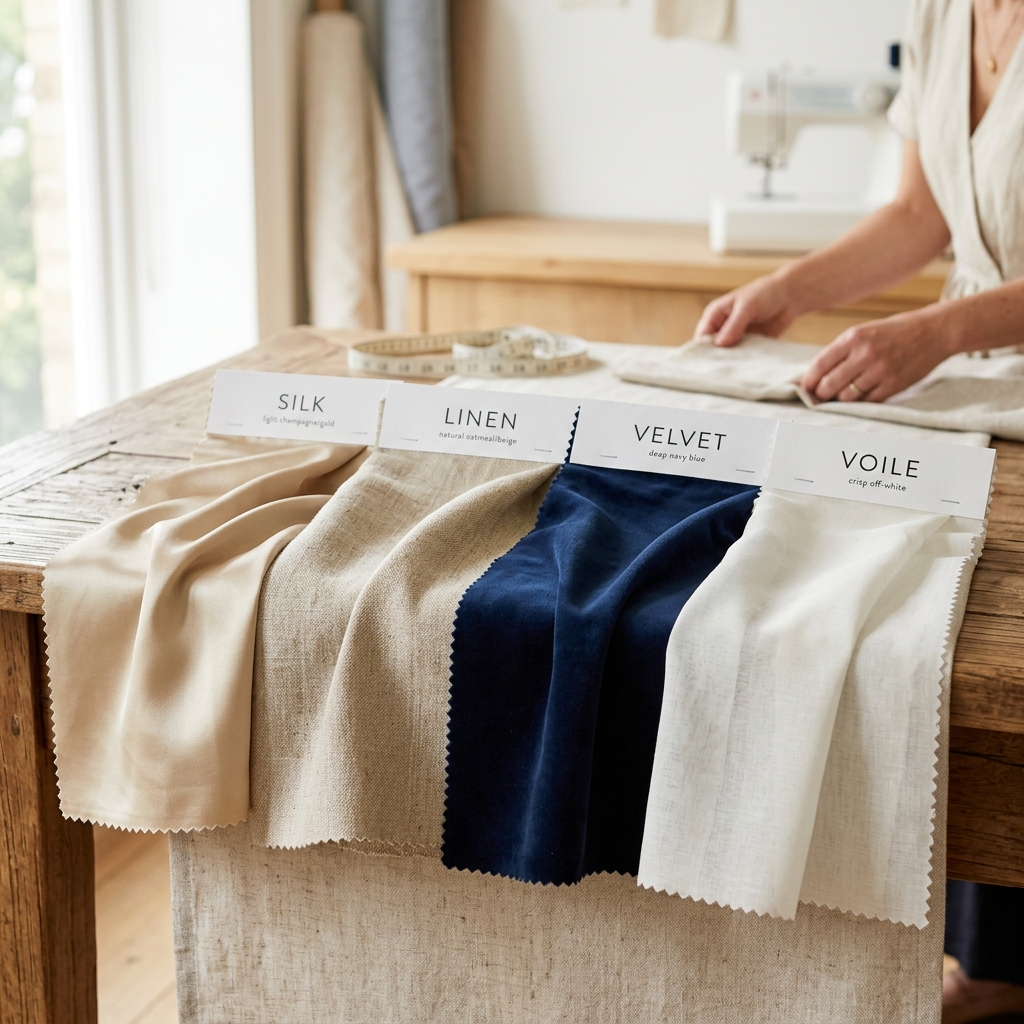
Different fabrics require specific cleaning chemistry and methods. Here is how expert technicians handle various curtain materials to ensure a safe, deep clean:
Durable Synthetics (Polyester, Nylon, Acrylic)
Synthetic fabrics are highly resilient and respond beautifully to onsite steam cleaning. They tolerate moisture and heat well, allowing for a deep clean and sanitization without the risk of shrinkage. Onsite steam extraction is highly effective for these materials because the high temperature kills dust mites and bacteria, while the powerful vacuum extracts dissolved dirt and oils. The fabric retains its structure and dries quickly, hanging straight immediately after the service.
Delicate Natural Fibers (Silk, Wool, Linen, Cotton)
Natural fibers require a gentle approach. Silk, in particular, is highly sensitive to water, which can cause water spots and permanent shrinkage. Wool and linen can also shrink significantly if exposed to heat and moisture. To clean these delicate materials safely, technicians use water-free dry-cleaning solvents. These solvents dissolve dirt, grease, and odors without saturating the fibers, preserving the fabric's natural sheen and texture without causing warping or shrinkage.
Pile Fabrics (Velvet, Chenille, Brocade)
Velvet and chenille have a raised pile that can be easily crushed if handled incorrectly. If a heavy steam wand is pressed directly against wet velvet, it can flatten the fibers, leaving permanent shininess or brush marks. Technicians clean these fabrics using low-pressure steam and specialized vertical wands. After cleaning, they use a soft upholstery brush to groom the pile upward, ensuring it dries with its luxurious texture intact.
Lined and Blackout Curtains
Blockout curtains feature a rubberized or acrylic backing that blocks out light and provides insulation. These backings are sensitive to heat and solvent chemicals, which can cause them to melt, peel, or stick together. Technicians use specialized low-temperature steam extraction to clean the front fabric while keeping the backing protected. This low-temperature, low-moisture approach ensures the drapes remain flat, dry quickly, and retain their shape.
Why DIY Cleaning is Risky for Different Fabrics
Many homeowners attempt to wash curtains at home to save money. However, domestic washing machines and dryers are not designed for large, heavy drapes. The mechanical spin cycle can tear delicate seams, pull out headers, and cause severe creasing. In addition, natural fibers like cotton and linen can shrink by up to 10 percent when washed in water, leaving them looking awkward and ill-fitting. Standard home detergents also contain optical brighteners that can cause dyes to bleed or fade under the sun. Hiring an expert service ensures that the correct techniques and solutions are used for your specific fabrics, protecting their beauty and longevity.
The Danger of Chemical Burns from Incorrect Detergents
Many homeowners do not realize that standard household laundry detergents often contain optical brighteners and bleach components designed to keep whites bright. While safe for standard cotton sheets, these harsh chemicals can cause chemical burns on delicate natural fibers like silk or fine linen. When exposed to heat and sunlight, these chemical residues weaken the fabric fibers, causing them to yellow and fray prematurely. Professional technicians use pH-balanced, specialized solutions that are free from optical brighteners, ensuring a safe, deep clean that preserves the natural fiber structure.
Treating Custom Trim, Ribbons, and Embroidery Safely
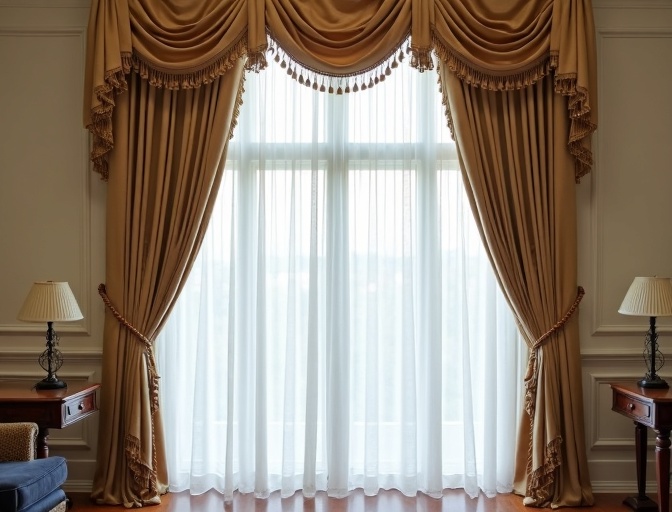
Many custom-made curtains feature decorative elements such as silk ribbons, heavy tassels, velvet piping, or metallic embroidery. These trims often have different fiber content and shrinkage rates than the main panel fabric. If washed in water, the trim can shrink faster than the rest of the curtain, pulling the edges tight and warping the shape of the drapes. Technicians inspect these custom details carefully, using low-moisture hand tools and specialized solvents to clean the trims safely without causing structural warping or color bleeding, maintaining the beautiful look of your custom window treatments.
Restoring the Fire Retardant Coatings
In many commercial properties and modern homes, curtains are treated with fire retardant chemicals to comply with safety standards. Standard washing or dry cleaning can wash away these coatings, leaving your home unprotected. Dedicated curtain cleaning specialists can identify these coatings and use specialized low-moisture methods that preserve the fire retardant properties, or apply re-treatment coatings after cleaning, ensuring your window treatments remain compliant and safe for your family.
Conclusion: Trust the Experts for Fabric Protection
Professional curtain cleaning is safe for all fabric types because it is tailored to the specific needs of each material. By using detailed textile assessments, colorfastness testing, and specialized cleaning methods (such as steam extraction or dry solvent cleaning), expert technicians can restore the freshness and beauty of your window treatments safely. Protect your investment and keep your home looking premium by trusting your curtain care to dedicated specialists.