How to Clean Velvet Curtains Without Damaging the Pile
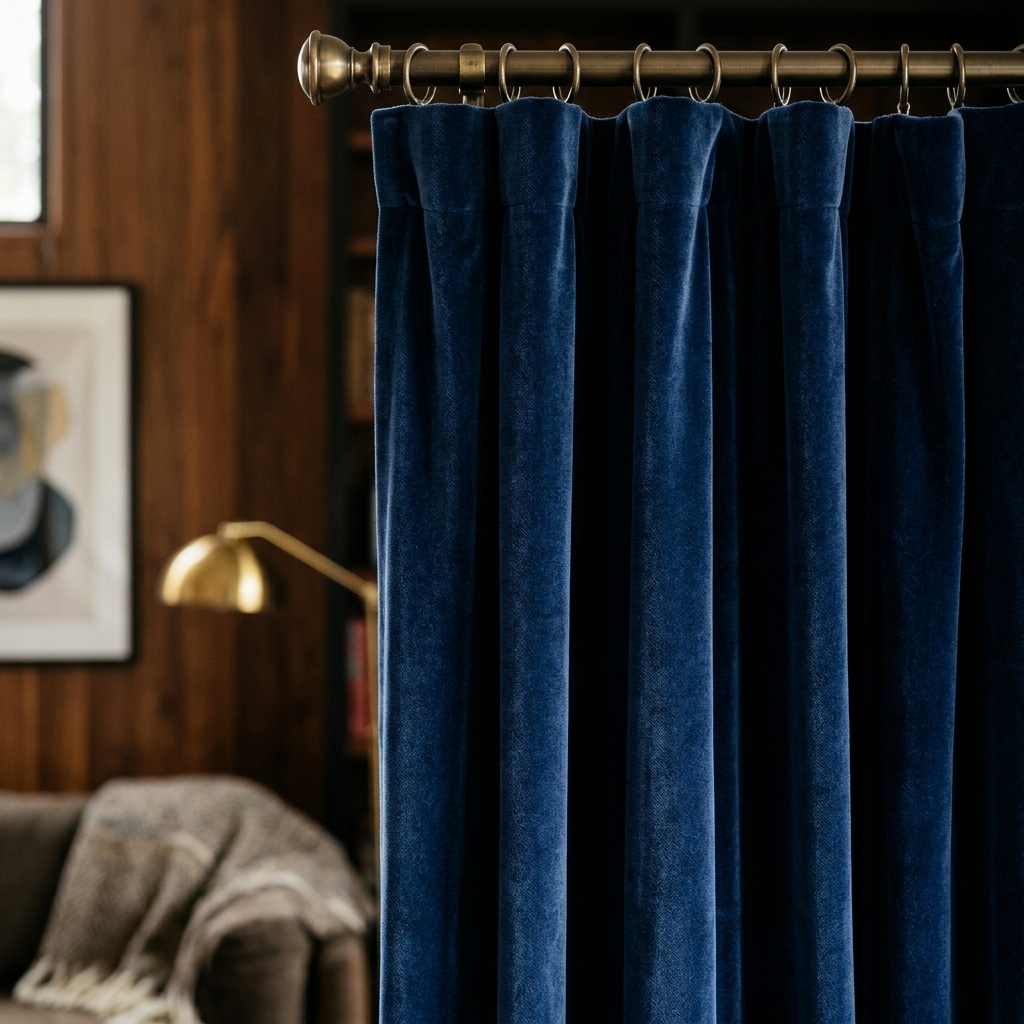
Velvet curtains bring a richness and texture that few other fabrics can match, but that same quality - the dense, soft pile that gives velvet its depth of colour and touch - is exactly what makes it one of the trickiest fabrics to clean. Get it wrong, and you can end up with flattened patches, watermarks, or a permanently altered texture that no amount of brushing will fix. Get it right, and velvet curtains can look plush and vibrant for years.
This guide walks through exactly how to clean velvet curtains safely, what to avoid, and how to handle stains without crushing or damaging the pile.
Why Velvet Needs Special Care
Velvet's pile is made up of thousands of tiny fibre loops or cut ends standing upright from the base fabric, and that structure is what gives velvet its softness and light-catching sheen. When the pile gets pressed flat - from water, pressure, folding, or heat - it can lose its upright structure permanently, leaving a matted or shiny patch that looks noticeably different from the surrounding fabric. Unlike most other fabrics, velvet damage from incorrect cleaning is often irreversible, which is why a careful, low-contact approach matters so much more here than with sturdier materials like cotton or polyester.
Velvet used in curtains can be made from cotton, silk, polyester, viscose, or a blend, and the fibre content affects exactly how water-sensitive it is - but the pile itself needs the same gentle handling regardless of the base fibre.
Step 1: Check the Care Label
Before doing anything else, check for a care label on the curtain, usually found along a side seam or bottom hem. Many velvet curtains are labelled dry clean only, particularly if they're silk or viscose velvet, which are highly water-sensitive and prone to permanent watermarking. If the label allows for gentle cleaning at home, or there's no label at all, the steps below offer the safest general approach.
Step 2: Vacuum First - Every Time
Before any wet or dry cleaning method, always start by removing loose dust and debris. Use a vacuum with a soft brush attachment or an upholstery attachment on the lowest suction setting, and work in the direction of the pile - running your hand lightly over the fabric first will show you which way the nap naturally lies. Hold the fabric gently taut and move the vacuum in one direction only, rather than back and forth, to avoid disturbing the pile unnecessarily. This step alone, done regularly, removes a significant amount of the dust and grime that would otherwise need a deeper clean.
Step 3: Steam Rather Than Wash
For most velvet curtains, steaming is the safest and most effective cleaning method available at home. Steam relaxes the fibres and lifts dust and light soiling without saturating the fabric the way washing would, and it also helps refresh the pile's natural upright texture.
To steam velvet curtains safely, hang the curtain in its normal position or on a rod where it can hang freely, hold a fabric steamer several centimetres away from the surface rather than pressing it directly onto the fabric, and move the steamer steadily in the direction of the pile, letting the steam do the work rather than pressing or rubbing. Afterward, gently brush the fabric with a soft-bristled clothes brush in the direction of the nap to help the pile settle back into place while it's still slightly warm and pliable.
Never let a steamer touch the fabric directly, and never press a hot iron onto velvet, even through a cloth - direct heat and pressure are the fastest way to crush the pile permanently.
Step 4: Spot Clean Stains Carefully
If steaming and vacuuming aren't enough to deal with a specific stain, spot cleaning needs a gentler touch than you'd use on most other fabrics. Blot - never rub - the stain immediately with a clean, dry white cloth to lift as much of the substance as possible before it sets. For most velvets, a small amount of mild, undiluted dish soap or a fabric-safe solvent applied to a cloth (not directly onto the fabric) can be gently dabbed onto the stain, working from the outside edge inward.
Always test any cleaning solution on a hidden section first, such as a bottom hem or side seam, and wait for it to dry completely to check for any colour change, watermarking, or texture change before treating the visible stain. After spot cleaning, blot the area dry with a clean cloth and allow it to air dry fully before brushing the pile back into place.
Avoid soaking the fabric or applying excessive liquid, since velvet is particularly prone to water rings and marks that can be very difficult, if not impossible, to remove once they've dried in.
Step 5: Brush the Pile Back Into Place
After steaming, spot cleaning, or even just regular handling, velvet benefits from being gently brushed in the direction of the nap using a soft-bristled brush - a dedicated velvet brush or a soft clothes brush works well. This helps realign any fibres that have been pressed down and keeps the surface looking even and consistent. Brushing while the fabric is slightly warm, such as right after steaming, tends to give the best result, since the fibres are more pliable at that point.
What to Avoid With Velvet Curtains
- Never iron velvet directly, even on a low setting - the heat and pressure will crush the pile
- Avoid machine washing unless the care label specifically confirms it's safe, since agitation can flatten and distort the pile
- Don't wring, twist, or fold velvet while damp, as this can create permanent creases in the pile
- Avoid rubbing at stains, which pushes the stain deeper and flattens the fibres around it
- Don't over-saturate the fabric with water or cleaning solution, since velvet is highly prone to watermarking
- Avoid drying velvet curtains in direct sun or near strong heat sources, which can fade colour and dry out the fibres unevenly
Caring for Velvet Curtains Long-Term
A little routine maintenance goes a long way with velvet. Vacuuming gently every one to two weeks prevents dust from building up and needing a deeper clean later. Steaming every few months keeps the pile looking fresh and helps release any flattening from normal use, such as curtains brushing against furniture or being tied back. Rotating or adjusting how curtains are tied back occasionally can also help prevent the same section of pile from being pressed in the same direction repeatedly over months or years.
It's also worth keeping velvet curtains away from direct, prolonged sun exposure where possible, since UV light can fade the rich colour velvet is known for more noticeably than it affects flatter, less light-reflective fabrics.
When to Call a Professional
Given how unforgiving velvet can be, professional cleaning is often the safer choice for anything beyond routine vacuuming and light steaming - particularly for silk or viscose velvet, curtains with noticeable staining, or any velvet that's labelled dry clean only. A professional cleaner has access to solvents and equipment specifically suited to pile fabrics, and can restore texture and remove ingrained dirt without the risk of the fabric being permanently altered by a DIY attempt gone wrong.
The Bottom Line
Velvet curtains reward a gentle touch. Vacuum regularly in the direction of the pile, favour steaming over washing, spot clean carefully and sparingly, and always test any product before using it on visible fabric. Avoid heat, pressure, and excess water at every stage, and brush the pile back into place after cleaning to keep that signature soft, rich texture looking its best for years to come.